Web 1.0, Web 2.0 and Web 3.0
Shubham
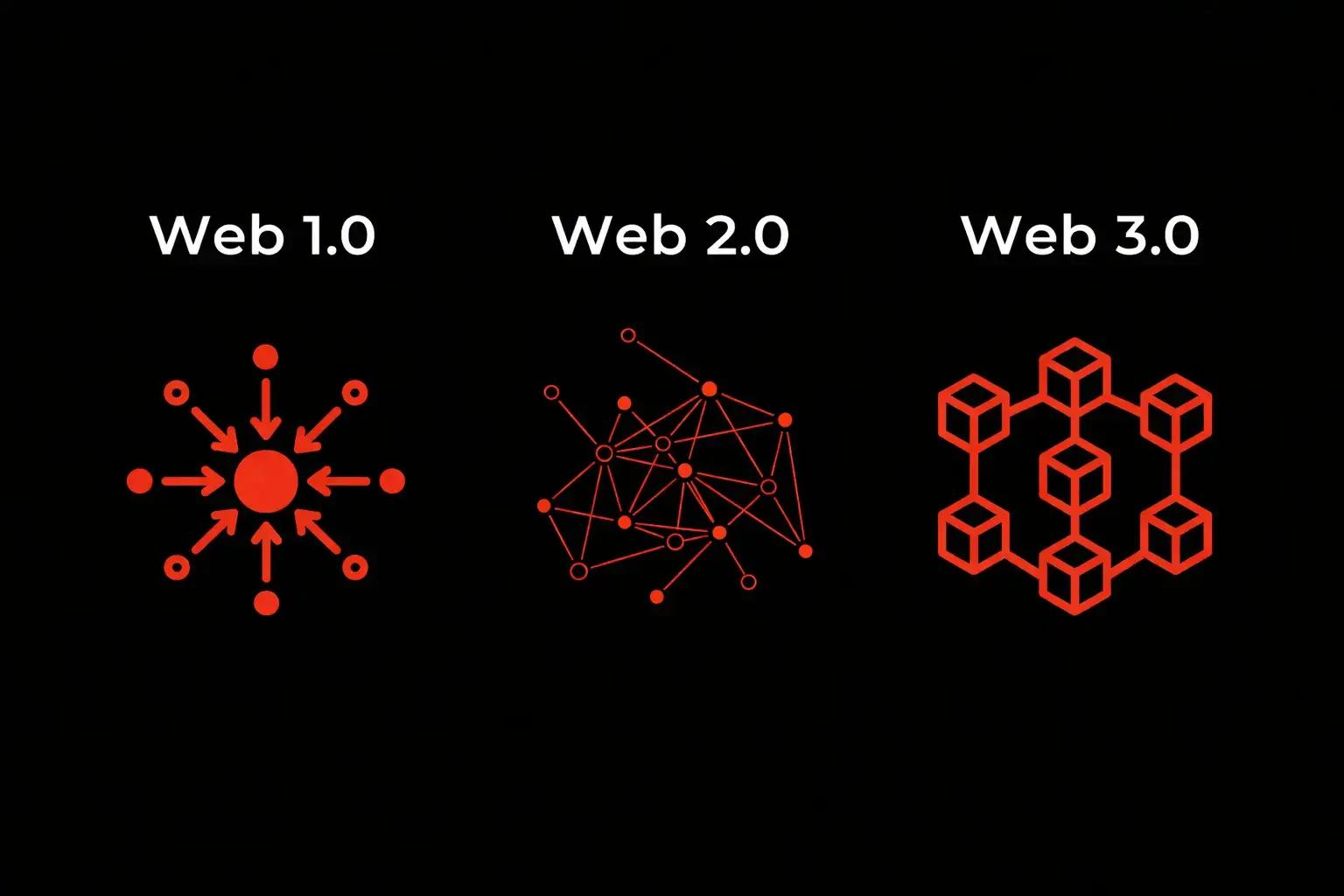
The internet did not start like it is today.
It changed step by step.
Every step solved some problems and created new ones.
That is why people divide it into three phases:
Web 1.0, Web 2.0, and Web 3.0.
Let’s understand them properly, with real examples.
Web 1.0 – The Read-Only Internet
Web 1.0 was the early internet.
Websites were static.
You open a page and read what is written.
No login. No comments. No posting.
Real examples
- Early company websites
- Static news pages
- Simple personal HTML websites
It worked like a notice board.
Someone puts information. Others just read it.
Control: Website owner
Web 2.0 – The Read and Write Internet
Web 2.0 made the internet social.
Users can create content now.
Post photos, write blogs, comment, like, and share.
This is where most of us live today.
Real examples
- Social media platforms
- YouTube videos
- Blog platforms
- Product reviews
- Online collaboration tools
But there is a catch.
Your data lives on company servers.
Platforms decide rules, reach, and even bans.
Control: Platforms
Web 3.0 – The Read, Write, and Own Internet
Web 3.0 tries to change ownership.
Instead of logging in with email, you connect a wallet.
Instead of trusting a company, you trust the network rules.
Data and value live on blockchains.
Real examples
- Digital money without banks
- Smart contracts running apps
- NFTs where ownership is public
- DAOs where people vote using tokens
You control assets directly, not through a platform.
Control: Network and users
Simple Way to Remember
- Web 1.0: You read
- Web 2.0: You read and write
- Web 3.0: You read, write, and own
Final Thought
Web 3.0 is not perfect.
Web 2.0 is not useless.
This is not replacement. This is evolution.